
 Scouts from Pack 55 in Great Falls, Virginia recently traveled to Norfolk, Virginia for an overnight campout aboard the USS Wisconsin, as part of an America 250 experience.
During their visit, Scouts learned about the history and legacy of the USS Wisconsin, a battleship that served in World War II, the Korean War, and Operation Desert Storm. The experience provided a hands-on opportunity to connect with American history and understand the role the ship played across multiple eras of service.
 A highlight of the trip was a flag ceremony held on the main deck. Scouts learned how to properly raise the American flag on a battleship, gaining insight into the traditions and respect associated with military service.
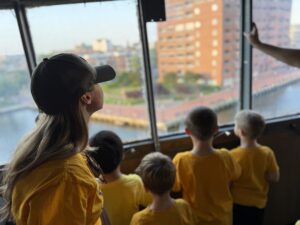
Throughout the campout, Scouts learned firsthand about the service and dedication of America’s heroes. The experience reinforced important Scouting values, including duty, citizenship, and respect, while helping Scouts better understand the contributions of those who have served the nation.


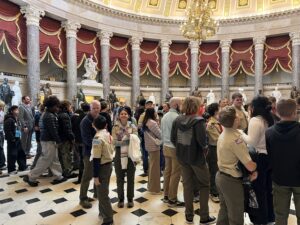 Led by Scoutmaster and Merit Badge Counselor James Dreier, the scouts visited the Old Supreme Court Chamber, the Old Senate Chamber, the crypt and several other locations inside the Capitol Building.
 In all, more than two dozen scouts, scouters, and parents were able to take part in the tour.


 Cub Scouts from Pack 55 explored the Balls Bluff Battlefield, a historic Civil War site with wooded trails and views of the Potomac River in Leesburg, Virginia. As they hiked together, Scouts enjoyed being outdoors, moving along the winding paths, and experiencing the natural setting of the battlefield. The hike gave Scouts a chance to stay active, work together, and appreciate being outside while visiting a place that has been part of American history for generations.
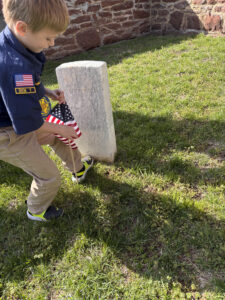 Scouts also learned about the Civil War from representatives of the Friends of the Balls Bluff Battlefield, who shared information about the site and its importance. Hearing from local experts helped Scouts better understand why the battlefield is preserved today and how communities work to protect historic places.

 Nate immediately recognized what was happening and swam over to help without hesitation. Although Nate himself could not touch the bottom and the water was above his head, he positioned himself next to the child and began treading water while lifting the child up repeatedly to keep his head above the surface. Nate’s own head went under the water several times as he continued supporting the child until the child’s older brother arrived. Together, they were able to help the child to safely reach the side of the pool and get out of danger.
