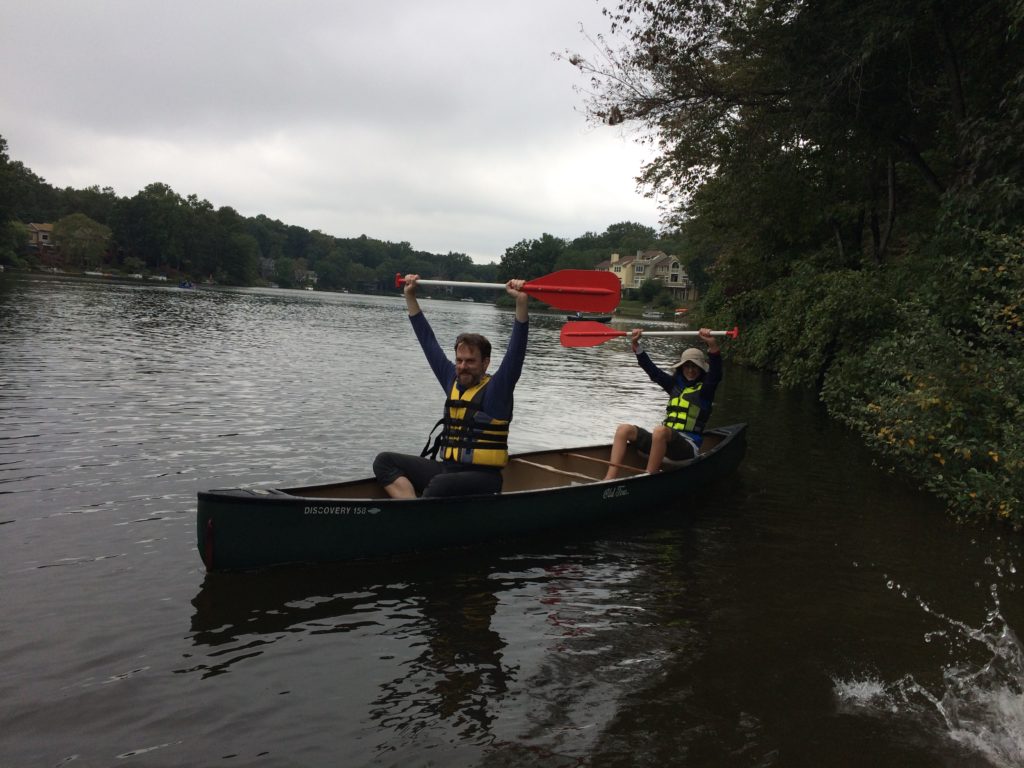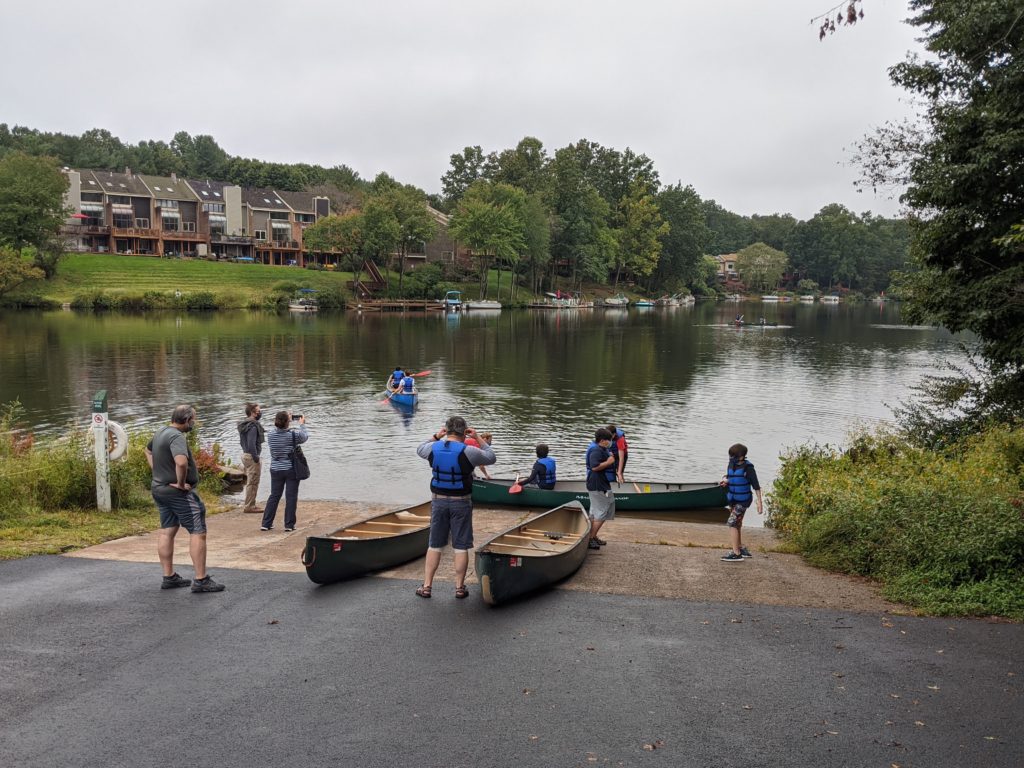
This week, Troop 1577 did a 5 mile hike in north Reston, and a few days later, hosted a Scout leadership training outside.
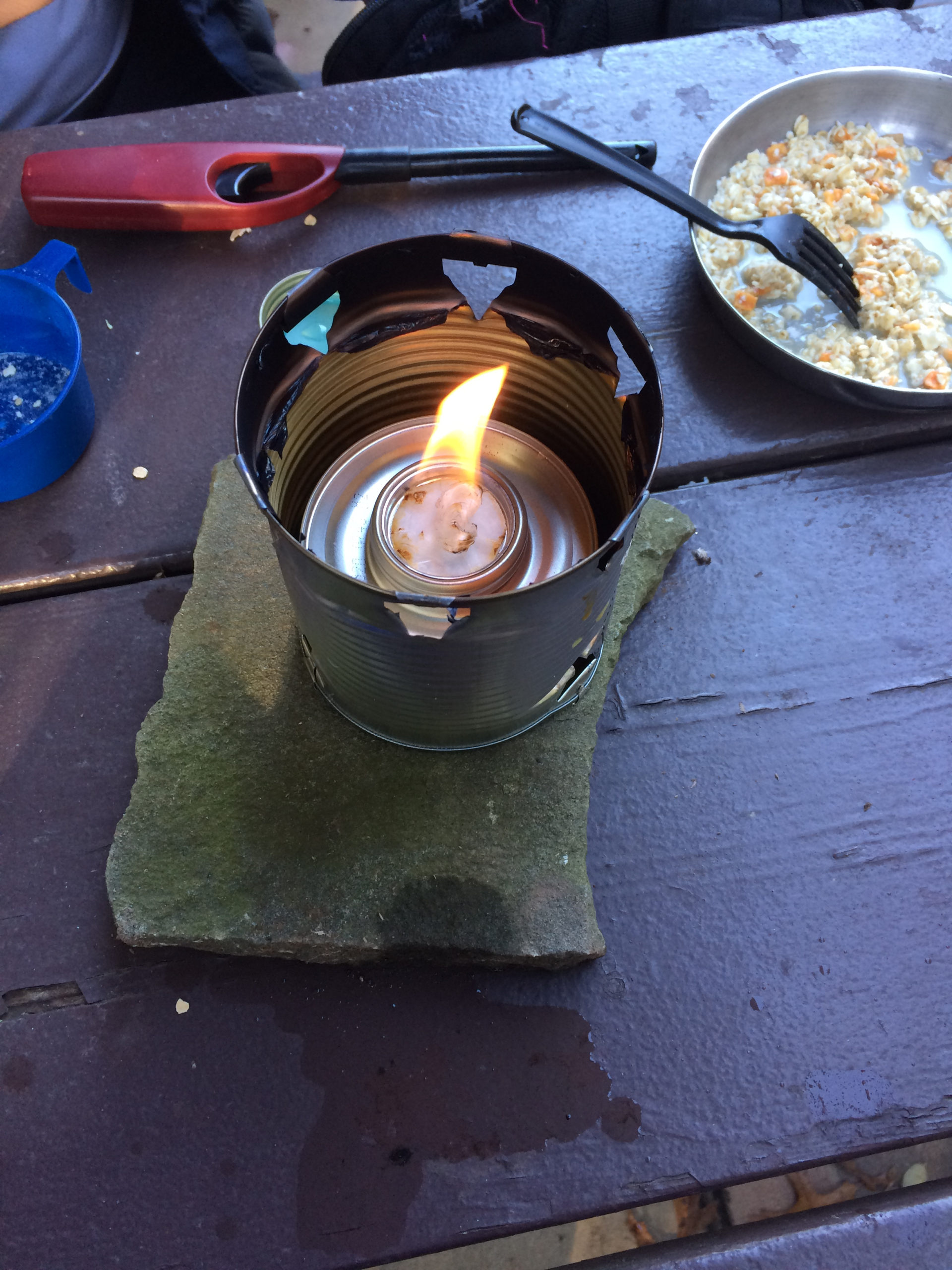
Almost thirty people attended the hike, which started at the Lake Anne Picnic Pavilion. Three Scouts worked on their Cooking merit badge requirement 6. This requires Scouts to cook on a hike. These Scouts cooked for their families – breakfast before the hike and lunch after, with snacks during the hike. By cooking only for their families, this meant there were no concerns about COVID. One family made a lightweight stove from a metal can with a Sterno inside.
Along the hike, we observed erosion management projects. This was to inspire Scouts to work on their Soil and Water Conservation merit badge. We looked at the features of two large projects – Wiehle South and Lake Anne West. You can learn more about these projects at http://reston.wetlandstudies.info/. Scouts also worked on compass and map skills.
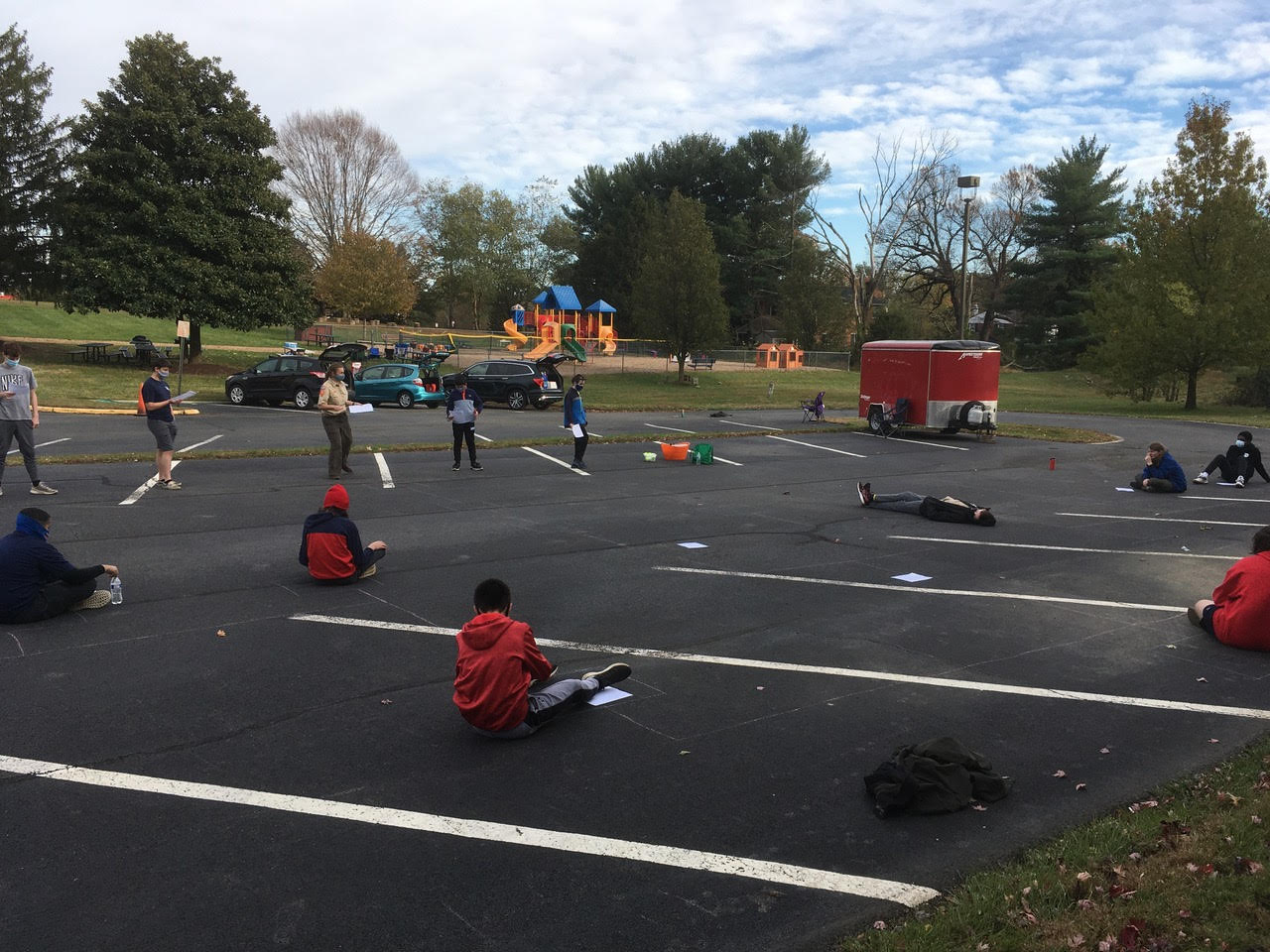
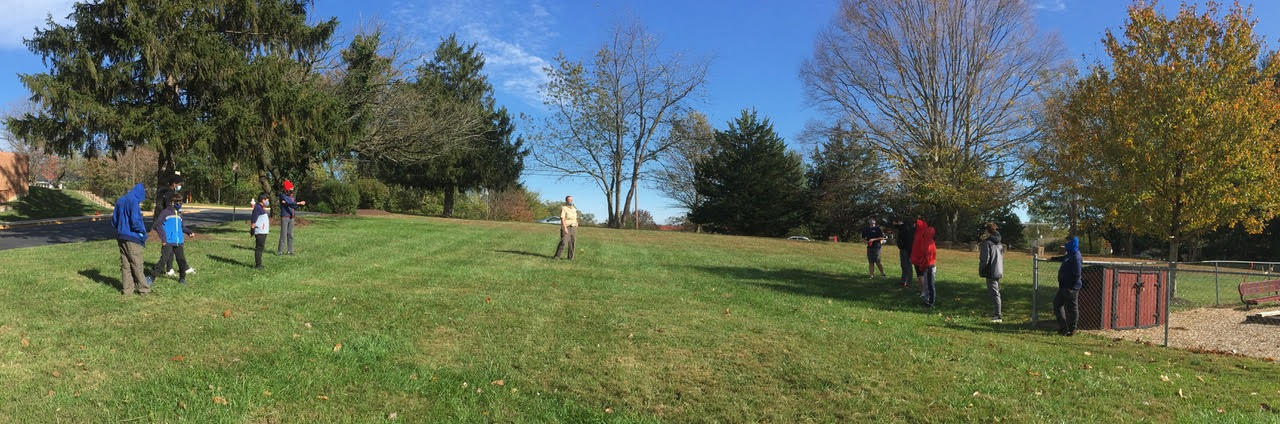
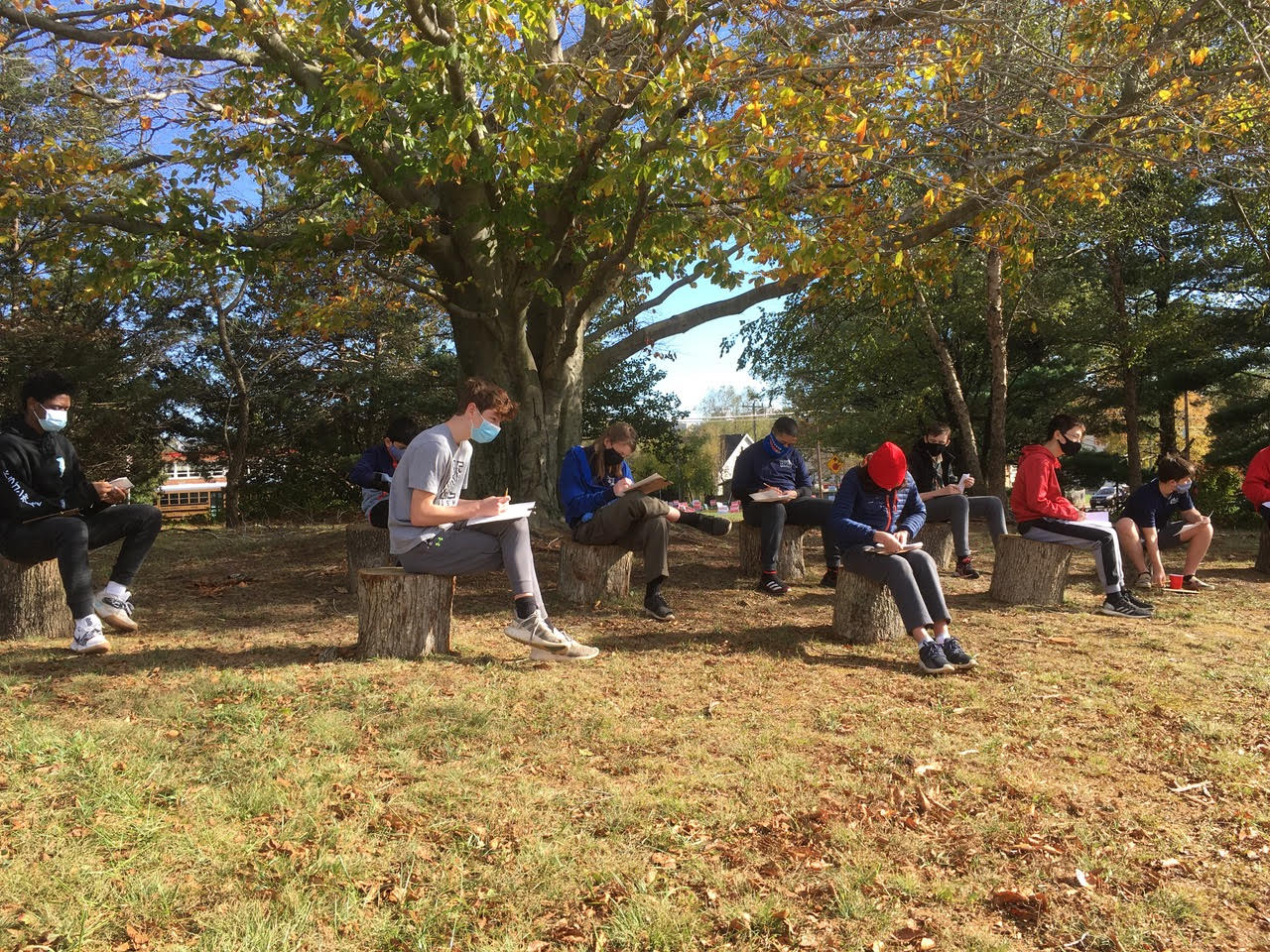
A few days later, eleven Scouts participated in leadership training. This training is called ILST or Introduction to Leadership Skills for Troops. We do this training when new patrol leaders are elected. The training was held outside. We had to adapt the recommended curriculum to remove activities that would not work with social distancing and substitute them with activities that could be done at a distance and outside in windy weather.
For example, one of the recommended activities is to write responsibilities on balloons and demonstrate how it is impossible for one Scout to keep all the balloons in the air. He needs to ask for help. We knew the balloons would quickly float away in the wind, so we wrote the responsibilities on tennis balls.
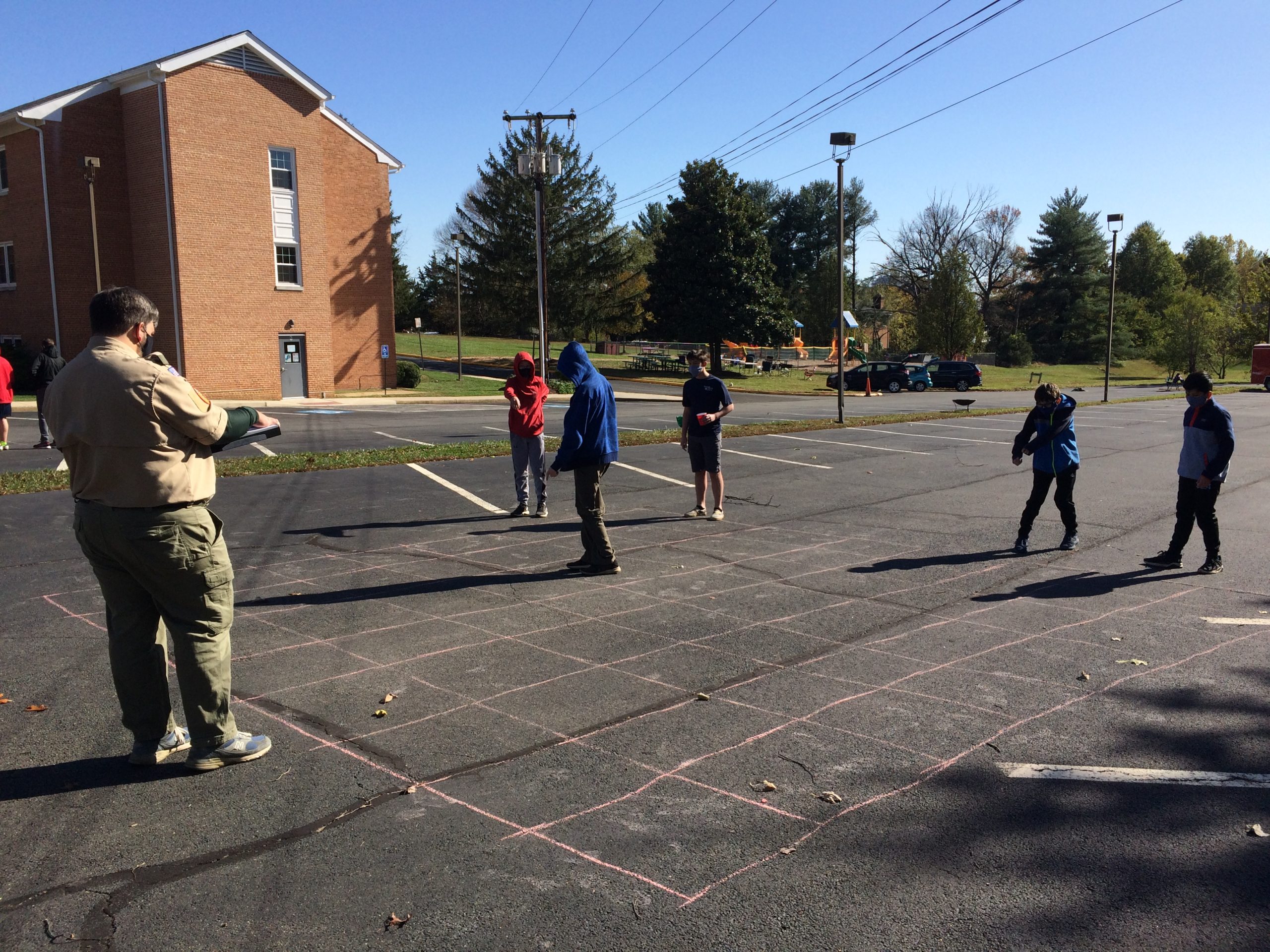
One of the favorite leadership activities was called Minefield. The Scouts worked as a team to move each Scout one-by-one through a grid. We drew a giant grid on the ground 8 squares by 8 squares. An adult had a safe route marked on a piece of paper and would shout “Boom!” when the Scouts stepped on an unsafe square. It took each team of Scouts about 25 minutes to solve.
The Scouts enjoyed a game called Sock Ball which involved putting a tennis ball in a long sock. You had to catch the Sock Ball by the sock, not the ball. It took practice!
The Scouts discussed the stages of team development – Forming, Storming, Norming and Performing. The Scouts shared stories of how they got themselves or their teams through the difficult stage of Storming and how it is normal for teams to have those moments.
We drew an enormous org chart on the parking lot in chalk where each Scout found his spot on the chart. They discussed who does what in the troop. We described scenarios and the Scouts decided who they would go to for help. We did a role play of a Patrol Leaders’ Council meeting where a director would “freeze” the action to ask what was happening and what could be done better.
Running leadership training activities outside has its challenges. Besides adapting the activities, we had to to push the leadership training one day later due to a wind advisory and cold temperatures. It takes more creativity and flexibility to run these activities, but in many cases, the results are actually more fun.
 Afghanistan. A country torn for decades by conflict, where thoughts of peace seem to drift ever out of reach. Yet, in the eyes of PARSA Afghan Girl Scout Troop 2 and Afghan Boy Scout Troop 36, hope of peace is alive. Hope is thriving in fact, as their passion for peace drives their unwavering energy to provide a wide range of social outreach and service projects in their communities.
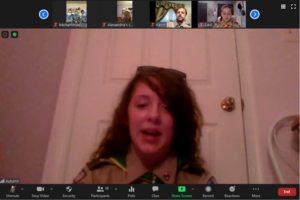 Carter H, the Senior Patrol Leader of Troop 1345B shared a vision of peace where citizens “rely on each other and support each other through the good and the bad things.” The Afghanistan Scouts shared their vision of a peace, where everyone comes together and assists in shaping and rebuilding their country in a climate of mutual respect. The Afghanistan Scouts routinely take on service projects to provide food and other necessities to those in their community that need assistance.