
Scouting C.A.R.E.S. Pack 5600 from E.W. Stokes Elementary School recently visited Great Falls National Park for a day of hands-on learning and outdoor exploration. The experience gave students the opportunity to connect classroom concepts with the natural world through guided activities and outdoor engagement.

What Is Scouting C.A.R.E.S.?
Scouting C.A.R.E.S.—which stands for Character, Achievement, Respect, Education, and STEM—is an initiative of the National Capital Area Council designed to expand access to Scouting for all youth. The program partners with schools and community organizations across the DMV to bring hands-on, character-based Scouting experiences to communities that would benefit from a vibrant Scouting program. Through Scouting C.A.R.E.S., youth participate in programs that emphasize character development, leadership, ethics, and moral values, while fostering curiosity, resilience, and a sense of belonging. The initiative reflects the diversity of the communities it serves and works to ensure Scouting is inclusive and available to all young people, regardless of background or circumstance. Scouting C.A.R.E.S. provides in-school, afterschool, and community-based outreach programming led by positive adult role models. Youth enrolled in the program enjoy the same Scouting experiences as Scouts throughout the Council, including outdoor opportunities such as Day Camp and Resident Camp.
To learn more about our National Capital Area Council’s Scouting C.A.R.E.S. program, visit NCAC’s website: https://ncacscouting.org/scouting-cares/


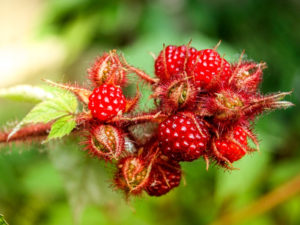 Wineberry is an Asian species of raspberry native to China, Japan, and Korea. The species was introduced to Europe and North America as an ornamental plant and for its potential in breeding hybrid raspberries. Now, it covers forest floors, stealing water and nutrients from native plants.
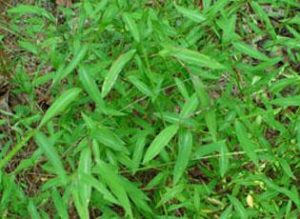 Japanese stiltgrass was originally brought to the US from Japan as packing material. The seeds were able to spread through this, and now it steals water and nutrients from native plants.
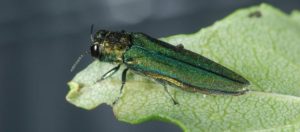 These pests have been causing mass die-offs of ash and other trees all across the US. These die-offs remove the forest leaf canopy, causing more sunlight to reach the forest floor. Due to this increased sunlight, invasive plants can spread much more easily. Nonetheless, Emerald ash borers form a lethal combo with any other invasive plant species.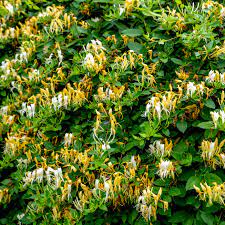
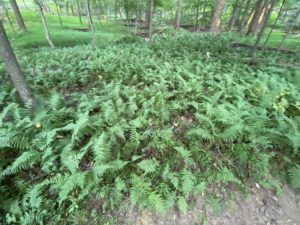 RESULT: YAY FERN!!!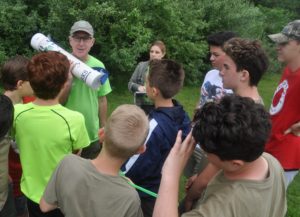
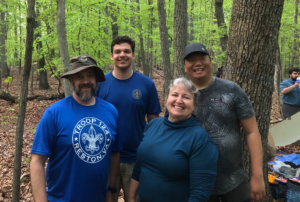
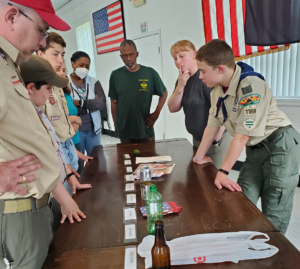
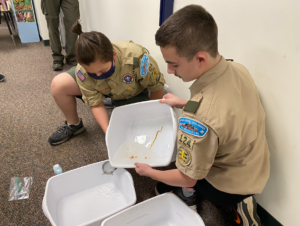
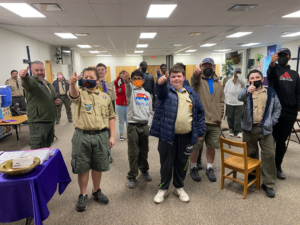
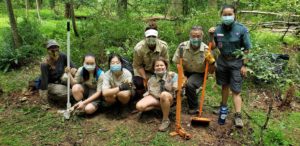
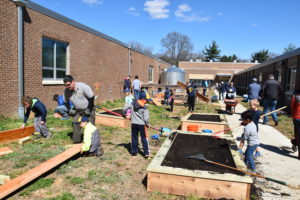
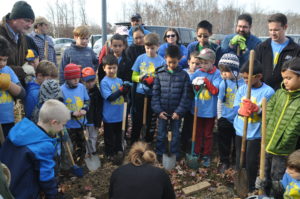
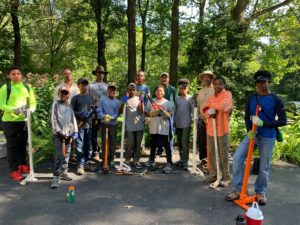
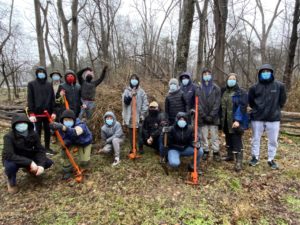
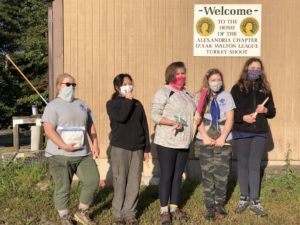 The Founder of Scouting, Lord Baden-Powell said: “God has given us a world to live in that is full of beauties and wonders… if only we have the sense to look at them in that light.” The Scouts BSA Outdoor Code tells Scouts “To be Conservation Minded.”
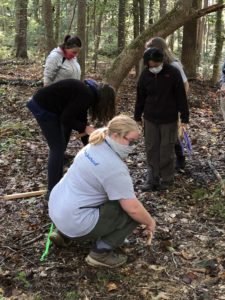 This project was important because, although the Pawpaw and Persimmon are fruit trees native to Virginia, they cannot thrive on their own. Pawpaw trees require pollination from an unrelated tree to bear fruit. Persimmon trees generally need a male tree to pollinate a female tree to produce fruit. These factors, combined with the large seeds that are not eaten and spread by animals, hinder fruit bearing Pawpaw and Persimmon groves.
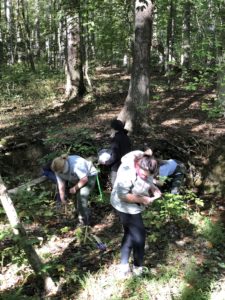 While this was Troop 840 Girls first Conservation Project, the Scouts have conducted several community focused Service Projects. These included projects for our Nation’s Veterans in conjunction with Vets on Track, which furnishes/decorates homes with essentials and comfort items for homeless Veterans “Making Houses into Homes” and Black Horse Forge which provides free metal forging classes and forging facilities for Veterans; Black Horse Forge is planning to expand into woodworking too and also has horses, donkeys and chickens for visiting Vets to caretake. Additionally, Troop 840G Scouts have participated in the National Night Out opening ceremony and Scouting for Food.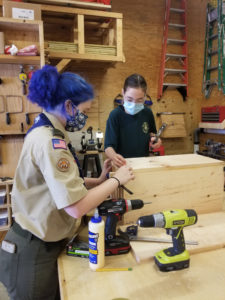
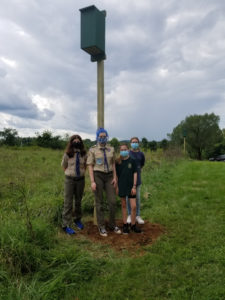
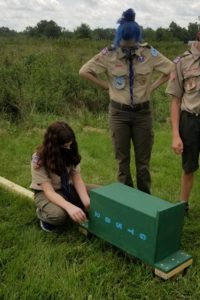
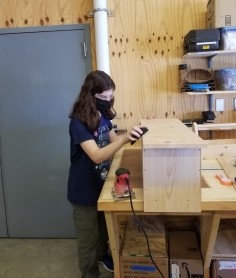
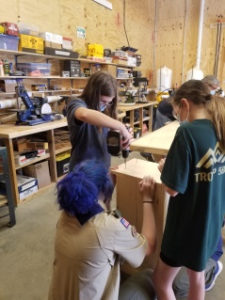 As a part of their work to earn the Mammal Study merit badge, Scouts from GT582 came out to Michael’s Woodshop at Camp William B. Snyder to build two Johnson Bat Houses. The Troop was very well prepared and arrived with all of the materials and supplies needed to construct, paint and install the bat houses. With guidance from a volunteer Shop Steward, the Scouts were able to learn and apply many useful woodworking skills; measuring & marking, drilling, gluing and clamping. They were focused, demonstrated great teamwork and were able to complete, paint and install a set of great looking bat houses in approximately 6 hours. Not only did they complete a requirement for their merit badge, they had a great time working in the shop and made a very impressive addition to Camp Snyder. It was a day very well spent!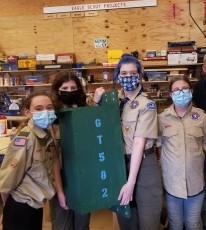
 Camp Snyder is the perfect venue for conservation projects and other service projects. It is conveniently located and many conservation projects are readily available. Camp Snyder is resuming its monthly Volunteer Service Day schedule and other work dates can be arranged upon request. If you would like to learn more about available conservation and other service projects at Camp Snyder, upcoming Volunteer Service Days or to arrange for your own group project, please email us at